London Canal Museum
Tucked away just a short walk from the glittering, modern hub of Kings Cross, the London Canal Museum is one of the citys most unexpected dual heritage hidden gems. It doesn’t just tell the story of Londons canals, it connects them directly to a sweeping Victorian obsession with ice cream. This famous museum is situated in an old ice warehouse built around 1862. Carlo Gatti was well known for his ice cream at the time, and owned the warehouse. The museum appropriately contains stories of the ice import and ice cream trade that was carried on alongside the canals.The museum is housed inside the beautifully preserved 1862 Victorian warehouse originally built for Carlo Gatti, a Swiss-Italian entrepreneur who became the “Ice King” of London.
Carlo Gatti History of Ice Cream at the Canal Museum
Long before modern refrigeration, Gatti made his fortune by importing massive blocks of natural ice by ship from the glaciers of Norway, transferring them onto canal barges, and storing them right here. Gatti used this massive ice reserve to become the first person to make ice cream affordable to the general public. Before him, it was a luxury for the rich but Gatti sold it to ordinary Londoners for a penny a scoop in tiny glass cups called “Penny Licks”.
What makes this museum completely unique isn’t just its location on the edge of the picturesque Battlebridge Basin, it is the building itself and the bizarre collision of industries it celebrates.Carlo Gatti’s Victorian Ice House is now home to the London Canal Museum where you can view the Ice storage areas, London Canal waterways and Narrowboats history. If you’ve always wanted to find out more about London’s canals and the vessels and people associated with them, there’s certainly no better place than the London Canal Museum.
London Canal History – Life on the Moving Water
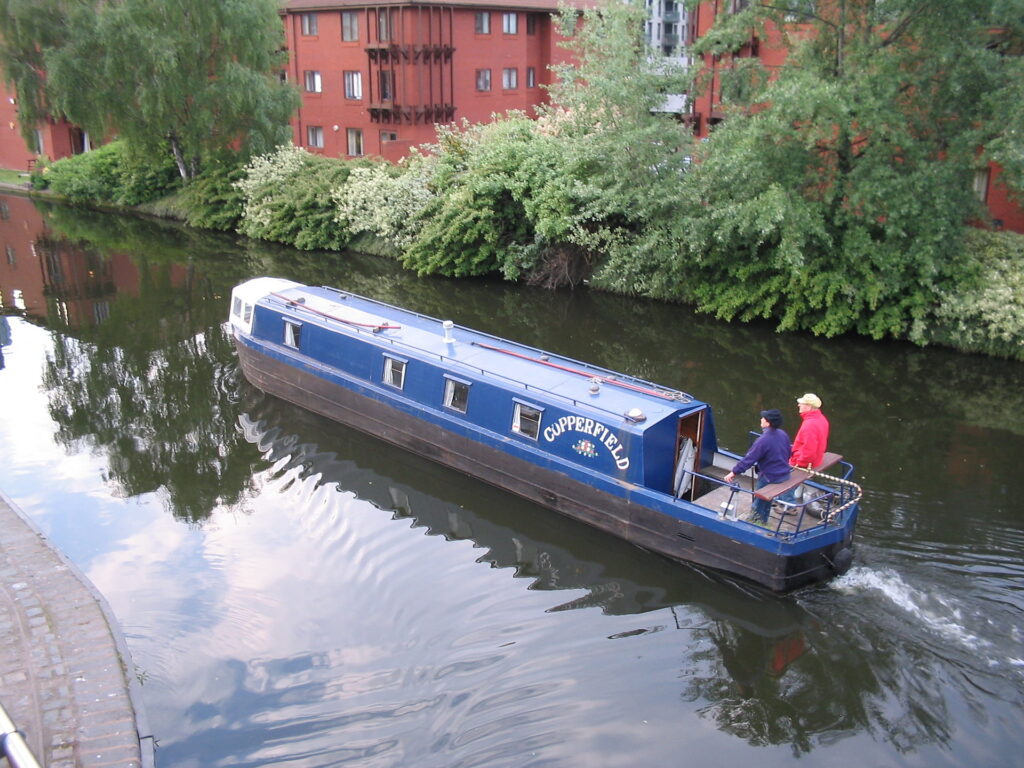
Beyond the ice trade, the museum shifts focus to the rugged social history of the families and animals who kept the Industrial Revolution moving via the Regents Canal.
- The Stable Ramp: Because the museum was an active distribution hub, horses were vital. You can walk up the original internal sloping ramp that horses used to reach their stables on the first floor, complete with a recreation of the upper level stalls.
- Step Inside a Narrowboat: Squeeze inside Coronis, a restored historic narrowboat cabin on the museum floor. It provides an eye opening look at how entire families lived, slept, and cooked in a space no larger than a walk in wardrobe while transporting coal, timber, and ice across Britains 4000 mile canal network.
- Roses and Castles: The museum showcases stunning examples of traditional canal folk art, the vibrant, highly stylised “Roses and Castles” paintings that boat families used to decorate their buckets, cabins, and tillers to bring color to a grueling lifestyle.
The London Canal Museum Waterside Experience
It is a small, wonderfully tactile museum where you can touch the exhibits, explore industrial grit, and even enjoy a boat trip aboard an original tugboat. You will leave with a real appreciation for how a network of muddy waterways shaped the city and how those same waters delivered London its very first street side ice cream cones. Step inside a real life narrowboat cabin for the ultimate experience, and discover just where the ice was kept in Victorian times after being imported from Norway by ship and canal boat.
Step outside onto the rear wharf and you’ll find Bantam IV, a 1950s steel tugboat permanently moored on the water. If you time your visit right during the warmer months, you can even hop on one of the museums guided boat trips through the pitch black, 50 minute span of the historic Islington Tunnel.
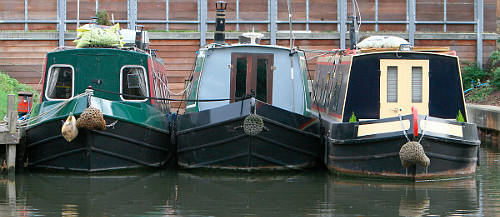
The museum has two main themes, so there is plenty of opportunity to learn much of Londons waterside based history. Apart from learning just how the canals were built in the city, you can also discover plenty of interesting facts about the workers, local people, horses and cargo which was carried up and down the waters.
The main purpose of the museum is to tell the story of Londons canals, however you can learn a lot about the ice industry too. Located near Kings Cross, its easy to visit using public transport. Children and adults alike can expect a great day out at this fascinating museum.
Address :
London Canal Museum
12-13 New Wharf Road
London
N1-9RT
www.canalmuseum.org.uk